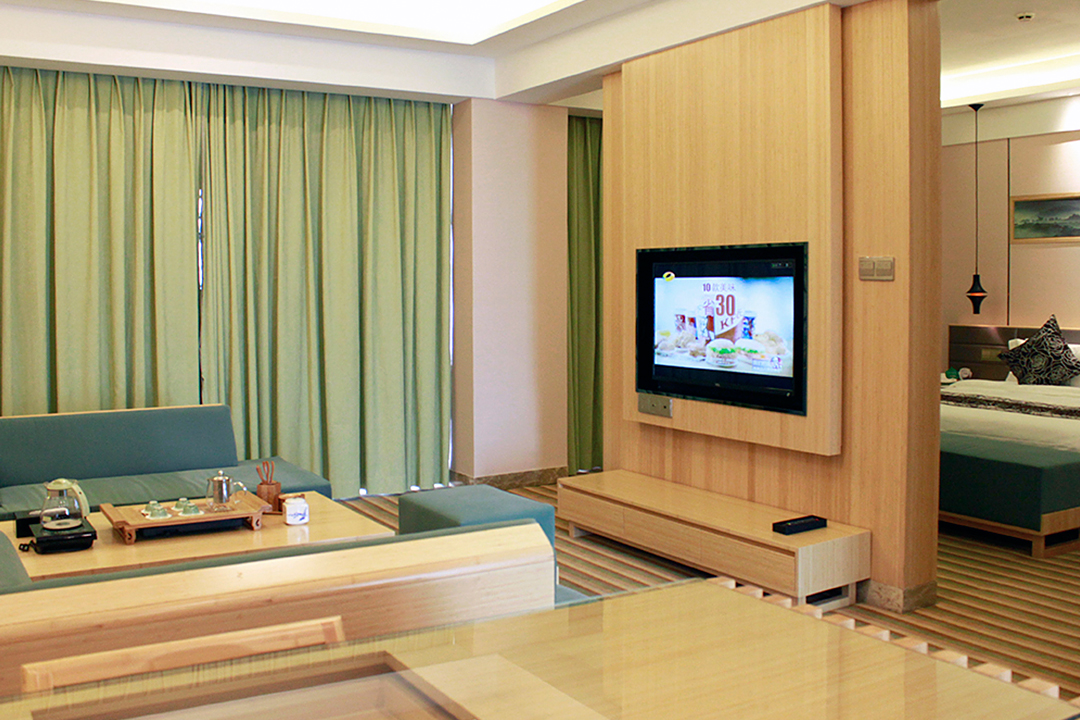
Working in a bamboo flooring factory gives me a daily front‑row seat to how bamboo behaves as a material—how it responds to heat, pressure, moisture, finishing techniques, and everyday wear. Among all the variations we manufacture, carbonized bamboo remains one of the most frequently discussed. Some customers love its warm color and smooth aesthetic, while others worry about durability or performance in their specific environment.
Carbonized bamboo isn’t a type of species or style; it’s a treatment method. That treatment changes the color and, to some extent, the structural qualities of the floor. Understanding what carbonization does helps you decide whether it suits your space, lifestyle, and expectations. Below is a detailed look at the benefits and drawbacks, along with insights from factory‑floor experience.
What Carbonization Means
Raw bamboo is naturally pale—somewhere between creamy beige and light yellow. To achieve deeper tones, factories use a heat‑based process known as carbonization. During production, the bamboo strips or stalks are steamed or pressure‑heated at high temperature. This heat caramelizes the natural sugars in the plant fibers, resulting in a richer color that can range from honey brown to deeper coffee tones.
Because the color runs throughout the material rather than sitting only on the surface, scratches and wear tend to stand out less compared to light, surface‑stained options.
However, it’s worth noting that heat treatment affects more than color. It changes the density and hardness of the material, and that’s where the pros and cons begin to separate.
Advantages of Carbonized Bamboo Flooring
Natural, Consistent Warm Color
Carbonization produces a deep, organic tone that doesn’t rely on pigments or surface stains. Many homeowners choose it as an alternative to darker hardwood species because the shade looks uniform and calm without the high variation you see in species like walnut. For interior spaces that need warmth—living rooms, bedrooms, studios—carbonized bamboo often matches the cozy aesthetic people want.
Reduced Visibility of Minor Scratches
Because the darker color runs through the entire board, a small scratch doesn’t reveal a pale underlayer. In factory tests and customer feedback, carbonized boards tend to maintain an even appearance longer in moderate‑traffic spaces.
Stable Coloring Over Time
All wood‑based products react to UV and indoor conditions, but the deeper tone of carbonized bamboo usually ages more evenly than lighter natural bamboo. Instead of stark darkening or yellowing, the change is subtle. Proper UV‑resistant finishes help even more.
More Environmentally Efficient Manufacturing
Carbonization doesn’t require chemical stains or solvent‑heavy coloring agents. Since bamboo grows incredibly fast, and the carbonization step relies mainly on heat rather than synthetic additives, the overall footprint remains relatively low compared to many hardwood alternatives.
Smooth and Polished Surface Feel
Most carbonized bamboo flooring pairs well with matte, satin, and semi‑gloss finishes. The uniform base tone helps the finish appear smoother. In our factory’s finishing department, carbonized batches often achieve a more consistent surface appearance with fewer touch‑ups.
Potential Drawbacks You Should Consider
Slightly Softer Than Natural Bamboo
This is the biggest and most frequently discussed disadvantage. The heat used during carbonization alters the fiber structure, reducing hardness compared with natural (non‑carbonized) bamboo. While strand‑woven carbonized bamboo still ranks high on hardness scales, traditional horizontal and vertical carbonized boards may dent more easily.
If you have large pets, heavy furniture being moved often, or high heels in the house, natural bamboo or strand‑woven options may provide better long‑term resistance.
More Sensitivity to Moisture Fluctuation
All wood‑based flooring expands and contracts, but softened fibers may react slightly more to dramatic humidity changes. In a well‑conditioned home with stable humidity, this isn’t a concern. But in very damp basements or houses with seasonal humidity swings, proper acclimation and installation techniques become critical.
Our factory always recommends a controlled acclimation period, especially for carbonized products—placing unopened boxes in the room for several days before installation and maintaining steady indoor humidity.
Color Limitations
Carbonization creates beautiful warm tones, but the range is somewhat fixed by the heat‑treatment process. If you're looking for a wide palette, including grays, whites, or extremely dark espresso colors, stained bamboo products might offer more variety. Carbonized bamboo focuses on warm, natural, earthy hues.
Possibility of Fading Under Strong UV
While carbonized bamboo fades more subtly than light bamboo, direct sunlight can still alter the tone over time. Wide windows with afternoon sun may reduce the richness of the color unless you use blinds or UV‑filtering window films.
How Carbonized Flooring Compares to Other Bamboo Types
Natural (Non‑Carbonized) Bamboo
Natural bamboo keeps its original pale color and is generally harder and more scratch‑resistant. If strength is your priority, natural bamboo has the advantage. Carbonized bamboo wins in terms of warmer aesthetics and color uniformity.
Strand‑Woven Bamboo
Strand‑woven bamboo—carbonized or not—is significantly harder than traditional vertical or horizontal construction. It’s created by shredding bamboo into fibers, mixing them with adhesives, and compressing them under extreme pressure. Carbonized strand‑woven bamboo retains excellent durability while offering rich color. For high‑traffic homes, this is usually the best compromise.
Stained Bamboo
Stains allow for a wide color palette. However, surface color can chip or scratch more noticeably. Carbonized bamboo’s through‑body coloration gives it an advantage in long‑term appearance.
Common Myths and What Happens in Real Production
Myth: Carbonized Bamboo Is “Weak”
The word “weak” gets thrown around, but real testing shows a more nuanced picture. Yes, carbonized vertical or horizontal bamboo is softer than natural versions. But it still performs well in residential spaces when installed properly and used in appropriate rooms. For strand‑woven products, the carbonization process has far less impact on hardness.
Myth: Carbonized Bamboo Is Chemically Treated
During production, the dark color comes solely from heat. The resins and adhesives used to bind bamboo—whether carbonized or not—must meet emission standards such as CARB Phase 2 or similar regulations. Reputable manufacturers test batches regularly. This step is separate from the carbonization process itself.
Myth: Carbonized Floors All Look the Same
Small variations occur naturally between batches because bamboo is an organic material, and the exact moisture content, plant age, and heating conditions influence the final tone. These variations add character without sacrificing consistency. Many installers prefer blending boards from multiple boxes to create a smooth visual flow.
Where Carbonized Bamboo Works Best
Bedrooms and Living Areas
The warm tone adds comfort without overpowering the room. Soft lighting enhances the richness of the carbonized color.
Home Offices and Studios
The deeper shade helps reduce glare and gives the space a relaxed feel. Scratches from rolling chairs tend to be less noticeable if a proper chair mat is used.
Retail Spaces With Moderate Foot Traffic
Carbonized bamboo can provide a professional aesthetic at a reasonable cost. Strand‑woven versions perform particularly well here.
Hallways and Light‑Use Kitchens
As long as humidity is controlled and spills are managed quickly, carbonized bamboo holds up well. Avoid standing water and use protective pads under furniture.
Situations Where It May Not Be Ideal
Very High‑Traffic Family Rooms
If your home has energetic dogs or frequent heavy foot traffic, natural or strand‑woven bamboo—without carbonization—may provide better long‑term resistance.
High‑Moisture Zones
Bathrooms, laundry rooms, and basements are risky for any wood‑based flooring, including carbonized bamboo. Engineered flooring designed for moisture resistance may be better.
Areas With Intense Sunlight
If your windows bring in strong direct sun for many hours, consider UV‑resistant finishes or window treatments.
Practical Tips for Choosing and Maintaining Carbonized Bamboo
- Request samples and view them at different times of day. Indoor lighting can change how the warm tone appears.
- Look for flooring with strong, low‑emission certifications.
- Check the construction type: strand‑woven offers the best hardness.
- Maintain stable indoor humidity to protect the floor’s dimensional stability.
- Use felt pads under furniture legs and place mats in entryways.
- Clean with a microfiber mop and a cleaner formulated for bamboo or hardwood.
Final Thoughts
Carbonized bamboo flooring offers a warm look, subtle color depth, and an appealing alternative to darker hardwood species. Its softer nature compared to natural bamboo doesn’t make it inferior—it simply makes it more suitable for some environments than others. Understanding how it performs, how it’s made, and how it behaves in various conditions helps you make a confident choice.
If you appreciate a rich, organic color tone and your living space isn’t overly demanding, carbonized bamboo can be a beautiful and reliable option. By selecting the right construction type and maintaining stable conditions, you can enjoy a floor that stays attractive and comfortable for many years.