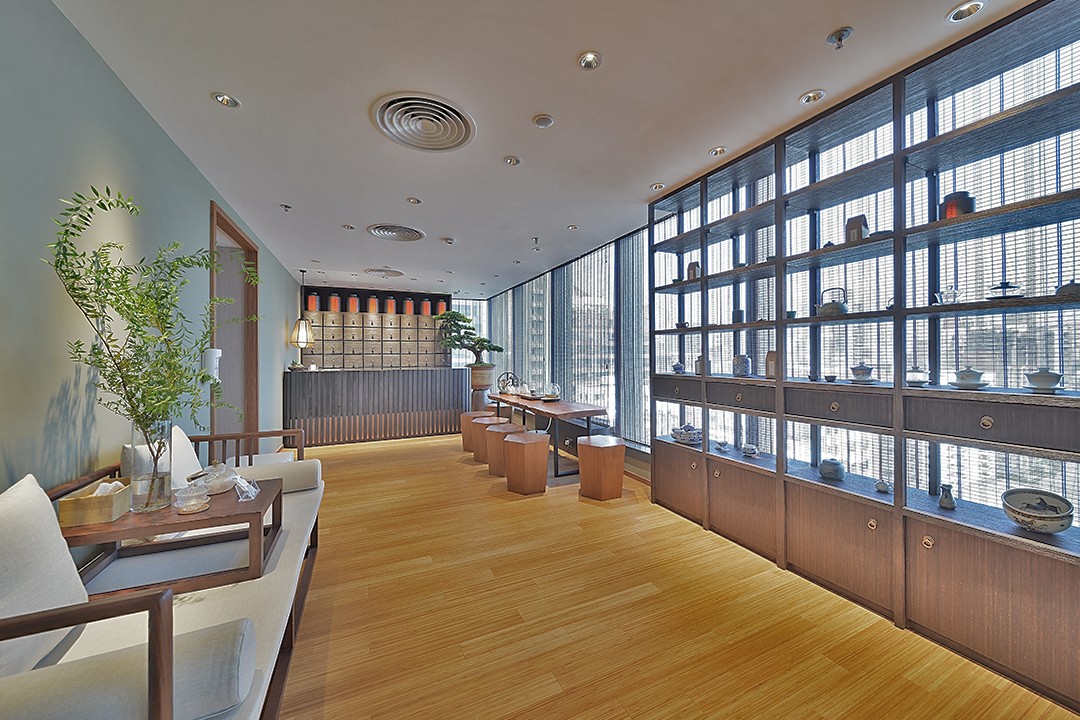
Strand woven bamboo has earned a strong reputation among designers, builders, and homeowners who seek a flooring material capable of handling constant movement without losing its visual appeal. Its durability stems from the way it is engineered, yet its rise in popularity also comes from its warm aesthetic, sustainable origin, and versatility across both residential and commercial spaces. Understanding why it performs so well under heavy foot traffic requires looking at how it is made, how it responds to wear, and what sets it apart from traditional hardwoods and other flooring options.
The core strength of strand woven bamboo begins at the material’s earliest stage. Unlike conventional bamboo flooring, which relies on thin strips laminated together, strand woven bamboo uses shredded bamboo fibers that are compressed under immense pressure with a high-performance binder. This process aligns fibers in all directions, producing a dense, interlocked structure. The resulting planks are significantly harder than most hardwood species, including oak, hickory, and maple. This density translates directly into resistance against impacts, dents, and long-term surface fatigue, which are common concerns in high‑traffic interiors.
Commercial settings put materials through demanding daily tests. Retail stores, offices, cafés, and public facilities all experience constant movement that would wear down many surfaces within a few years. Strand woven bamboo handles these situations with composure because the compressed fiber core distributes pressure more effectively than solid wood grains. When a floor must withstand rolling chairs, work boots, luggage wheels, or repeated dragging of furniture, structural resilience becomes essential. This is where strand woven bamboo demonstrates why it is often chosen for busy spaces.
The visual aspect also plays an important role. Many flooring materials designed for high‑traffic areas prioritize performance but fall short in appearance. Strand woven bamboo maintains a fine balance, offering a smooth surface, natural grain variations, and a welcoming warmth that works well with modern, minimalist, rustic, and corporate interior styles. The coloration options range from light, clean tones to deep carbonized shades, allowing it to blend seamlessly with various palettes. Its stability also supports wider plank formats, which enhances visual impact while maintaining structural reliability.
Sustainability remains a strong advantage. Bamboo reaches maturity much faster than hardwood trees, and responsible harvesting practices allow continuous regrowth from the same root system. That growth cycle supports an efficient supply chain while reducing the environmental footprint associated with slow‑maturing hardwood forests. Strand woven bamboo’s long life span further strengthens its environmental value, since a durable floor that doesn’t need frequent replacement minimizes waste and resource consumption.
Installation flexibility adds another layer of practicality. Strand woven bamboo can be installed using floating, glue‑down, or nail‑down methods, depending on the project requirements. For large commercial areas where floor movement must be tightly controlled, glue‑down installation provides excellent stability. Residential renovations often benefit from floating floor systems, which reduce installation time and adapt well to existing subfloors. Many manufacturers offer planks with precision‑milled locking systems that simplify installation while maintaining a tight fit between boards.
Surface treatments also contribute to its suitability for heavy use. High‑quality strand woven bamboo flooring typically features multi‑layer protective finishes that resist scratches, abrasions, and spills. These coatings preserve the color and grain even when the floor experiences sustained wear. In environments where shoes, moisture, dirt, or heavy equipment are part of daily activity, a strong finish is essential to prevent premature aging. Routine maintenance remains straightforward: sweeping, occasional damp mopping, and prompt cleaning of spills are usually enough to maintain the floor’s condition.
Temperature and humidity stability influences how well a floor performs over time. Strand woven bamboo handles environmental fluctuations better than many hardwood options because of its engineered structure. While all natural materials experience some movement, strand woven bamboo’s dense construction limits expansion and contraction, reducing the likelihood of warping or gapping. This stability makes it suitable for regions with seasonal climate shifts and for installations over radiant‑heat systems when the product specifications allow.
Noise control is another consideration in high‑traffic interiors. Dense flooring materials often provide better sound dampening underfoot, and strand woven bamboo’s tightly packed fiber structure helps reduce noise transmission. In office environments where concentration matters, or in multi‑story buildings where footsteps carry easily, choosing materials with natural acoustic benefits can make a noticeable difference. Additional underlayments can further enhance sound performance without compromising structural strength.
Maintenance and long-term care contribute significantly to a flooring choice’s total value. Strand woven bamboo’s hardness means it resists damage that would require repairs in softer floors. When refinishing becomes necessary—often many years into service—the dense material can accept sanding and refinishing depending on the thickness of the wear layer and manufacturer guidance. This renewability helps extend its functional life and preserves the investment made during installation.
For high‑traffic commercial interiors, choosing flooring involves evaluating performance, maintenance, long‑term value, and aesthetic compatibility. Many architects and designers specify strand woven bamboo because it balances all these criteria. They can achieve a welcoming, natural atmosphere without sacrificing durability. Property managers appreciate its low upkeep demands, which help reduce long-term operational costs. Business owners benefit from a surface that remains attractive even after years of customers walking across it.
Residential homeowners value it for similar reasons. Busy households with children, pets, and constant movement need resilience without compromising appearance. Kitchens, hallways, living rooms, and entryways all face daily wear, and strand woven bamboo handles these conditions gracefully. Its hard surface resists tracks, dents, and claw marks, while the protective finish shields the surface from spills and everyday messes.
The evolution of manufacturing technology continues to elevate the performance of strand woven bamboo. Advances in compression methods, binder formulations, machining precision, and finishing techniques have refined the product into a stable, high‑performance flooring option. These improvements ensure that each plank not only meets modern expectations but often surpasses them, giving builders and homeowners confidence in its long-term reliability.
The decision to choose strand woven bamboo often comes down to a practical assessment of how a space will be used. In a quiet room with minimal traffic, many flooring types can perform adequately. In a bustling area where durability becomes a priority, fewer options deliver the strength and endurance that strand woven bamboo reliably offers. Its combination of structural density, appealing aesthetics, installation flexibility, and environmental benefits create a well‑rounded solution for interiors that must withstand constant activity.
As more commercial and residential projects demand materials that perform reliably under pressure while maintaining a refined appearance, strand woven bamboo continues to stand out. It blends performance with style in a way that supports both functional and design goals, making it a practical choice for spaces where heavy foot traffic is a daily reality.