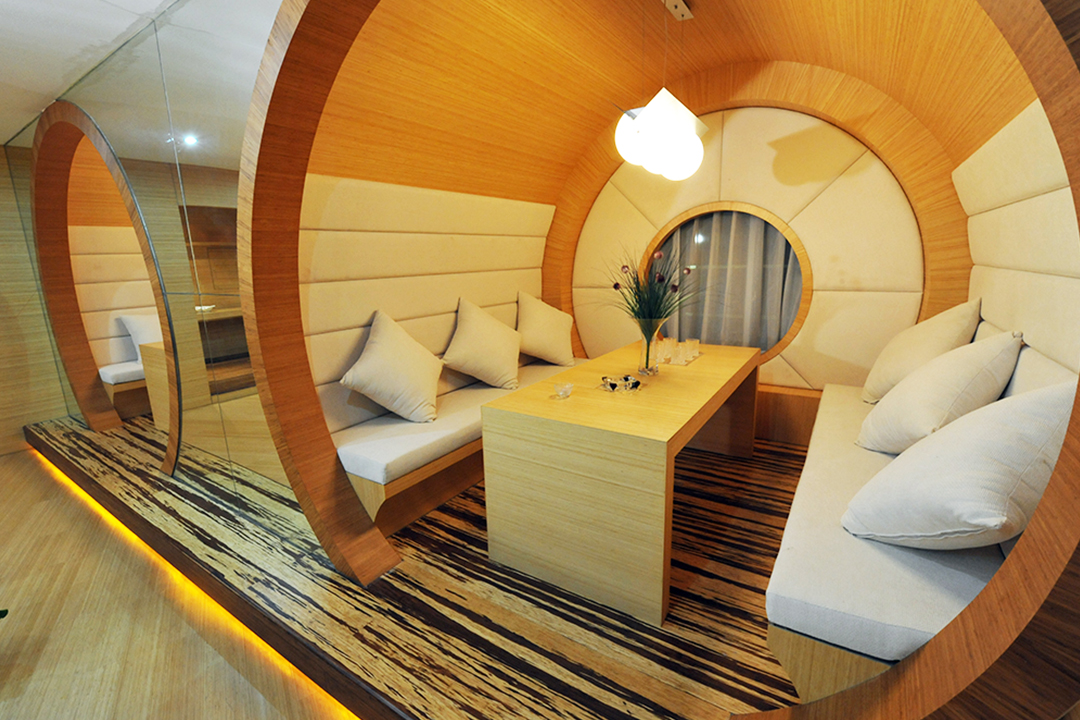
Bamboo flooring has earned a respected place among homeowners, designers, and builders who want a surface that can handle daily wear while still offering a polished, modern appearance. It’s become a strong alternative to traditional hardwoods not because it imitates them, but because it brings its own character, technical advantages, and long‑term reliability. When placed in the right spaces and properly maintained, bamboo can provide the harmony of beauty and strength that many flooring materials struggle to achieve.
Bamboo isn’t technically a tree; it’s a fast‑growing grass. That simple fact shapes almost every benefit it offers. The structure of bamboo grows in long, uniform fibers, and when processed correctly, these fibers create flooring planks that are remarkably stable and resilient. Beyond the technical details, bamboo also carries a natural aesthetic—clean lines, subtle color variation, and a warm, organic mood—that suits a range of interior styles.
Below is a look at why bamboo flooring delivers such a strong blend of style and durability, along with several additional insights that help explain its rising popularity.
Natural Strength That Holds Up to Daily Use
One of the most practical reasons homeowners turn to bamboo is its ability to resist dents, scratches, and general wear. Strand‑woven bamboo, in particular, is known for exceptional hardness. During manufacturing, bamboo fibers are compressed under intense pressure, producing planks that exceed many traditional hardwoods on standardized hardness scales.
This strength becomes especially useful in busy households where floors take a steady beating. Pets, kids, dropped objects, rearranged furniture, and frequent foot traffic all challenge a floor’s surface. Bamboo’s density helps protect it from visible damage, which means it maintains a clean appearance for much longer.
The stability of bamboo also helps it react predictably to humidity changes. Although all natural materials expand and contract, strand‑woven bamboo tends to be less prone to dramatic movement. This makes it appropriate for a range of climates when installed with proper acclimation and underlayment.
A Look That Fits Many Styles
A floor covers a large portion of any room, so its visual impact is immediate. Bamboo brings a character that is both distinctive and flexible. For homes built around minimalism, bamboo offers clean grains, smooth textures, and gentle color variations. These qualities pair well with uncluttered layouts and modern finishes. At the same time, bamboo can serve traditional spaces, where its warm tones and subtle patterns help soften heavier furniture and classic décor.
Another advantage is the variety of finishes available. Depending on the manufacturing process, bamboo can be:
- Naturally light and airy, offering a fresh atmosphere
- Carbonized for deeper, richer, amber‑brown tones
- Brushed or wire‑finished for added texture
- Stained in contemporary colors such as taupe, gray, or espresso
Wide‑plank formats and matte finishes have also grown in popularity, giving bamboo floors a more contemporary look while highlighting the natural fiber structure.
Because bamboo doesn’t have bold, dramatic grain patterns like certain hardwoods, it tends to blend well with many interior palettes. Whether paired with cool, monochromatic designs or rooms filled with vibrant textiles, it rarely clashes.
Long-Term Structural Reliability
Beyond surface durability, bamboo flooring offers solid structural performance. Strand‑woven planks handle impact particularly well and resist warping under everyday conditions. Quality bamboo flooring typically features multi‑layer construction or engineered formats that add additional stability, especially for spaces with fluctuating temperatures.
When properly installed on a stable subfloor, bamboo stays firmly in place and avoids the buckling or cupping sometimes seen in other natural materials. Its consistent fiber pattern contributes to its strength, allowing manufacturers to design planks that hold their form even in large, open‑concept rooms.
The longevity of bamboo flooring also depends on finish quality. Many modern bamboo floors use strong protective coatings that guard against surface wear, UV discoloration, and moisture exposure. These finishes extend the lifespan of the floor and make standard maintenance more manageable.
Responsible Material Use
Although this blog focuses primarily on style and durability, it’s worth touching on bamboo’s material characteristics, because many homeowners care about the resources used in their flooring choices.
Bamboo grows rapidly, reaching maturity in a few years. This growth pattern allows manufacturers to harvest and regrow material on a predictable cycle. The uniformity of bamboo fibers also means more of the plant can be used effectively during processing. When sourced from well‑managed operations, bamboo provides a dependable supply without relying on slow‑growing hardwood forests.
Responsible sourcing, third‑party certifications, and transparent manufacturing standards help ensure that bamboo flooring supports long‑term resource management. These aspects add an additional layer of confidence for homeowners who want both a durable product and an efficient material origin.
Comfort and Acoustics
Durability often focuses on toughness, but comfort matters just as much in a living space. Bamboo offers a firm, supportive feel underfoot, striking a balance between hardness and subtle flexibility. It is more forgiving than some stone or ceramic surfaces, yet sturdy enough to create a clean, stable walking experience.
Acoustically, bamboo works well with underlayment systems designed to reduce impact noise. Multi‑level homes, apartments, and rooms with high ceilings benefit from floors that don’t amplify every step. Bamboo’s density helps it absorb some sound naturally, and when paired with the right underlayment, it contributes to a quieter environment overall.
Straightforward Maintenance
Floors that look good on day one often reveal their true nature after months or years of use. One of the practical strengths of bamboo is how manageable it is to maintain. Routine sweeping, vacuuming, or dry mopping keeps dust and grit from dulling the finish. Occasional damp mopping with a cleaner formulated for bamboo or hardwood surfaces helps preserve the appearance.
Because strand‑woven bamboo is less susceptible to dents and scratches, homeowners spend less time worrying about regular surface damage. Protective pads under furniture, rugs in high‑traffic areas, and simple cleaning habits are generally enough to keep the floor looking polished without a complicated maintenance routine.
Many homeowners appreciate that bamboo can retain a fresh, clean look for long periods without constant upkeep. This level of reliability becomes especially valuable in large homes or spaces that receive consistent daily use.
Versatility During Installation
Bamboo flooring accommodates several installation methods, including floating floors, glue‑down systems, and nail‑down processes. This flexibility allows installers to match the flooring style to the specific needs of each room.
Floating floors are often favored for remodels because they install quickly and can be placed over existing subfloor systems with the right underlayment. Glue‑down installations provide added stability in demanding environments, while nail‑down methods deliver a traditional, solid feel.
The versatility of installation options makes bamboo a helpful choice for homes with mixed subfloor types, such as concrete on the lower level and plywood on the upper level. Rooms of varying shapes and sizes can be finished with consistent plank styles, allowing the flooring design to extend seamlessly throughout the home.
A Material That Ages Well
Every natural material carries its own aging process. Over time, bamboo develops subtle changes that enrich its character. Sunlight may warm its tone slightly, and the grain lines may become more distinct. These changes occur gradually, helping the floor blend even more naturally into the surrounding décor.
Because bamboo is so stable and resistant to visible wear, these gradual shifts result in a patina that feels intentional rather than worn down. Many homeowners appreciate this evolving character, especially in spaces where natural materials are part of the design language.
A Strong Choice for Balancing Beauty and Utility
What sets bamboo flooring apart is how it brings together so many desirable qualities without forcing a compromise. It offers a refined, contemporary look that works with both modern and traditional layouts. It stands up to heavy use, resists common forms of damage, and stays structurally reliable across changing seasons. It’s comfortable, stable, straightforward to maintain, and versatile to install.
For homeowners seeking a floor that feels fresh yet dependable, stylish yet practical, bamboo has become an option that fits comfortably between aesthetics and everyday strength. It brings a natural charm and a technical resilience that allows it to support a wide range of interiors, making it a material worth serious consideration in any flooring project.