2026/10/01 4

Is Bamboo Plywood Truly Eco-Friendly? Adhesives, VOCs, and Indoor Air Quality Explained

As sustainable architecture and non-toxic interior design gain widespread adoption among homeowners, architects, and commercial developers, renewable sheet materials have moved to the center of material specification discussions. Rapidly renewable Moso bamboo has earned a strong reputation as an ecological superhero due to its rapid growth rates, minimal land footprint, and strong carbon sequest..
카테고리 없음 2026.10.01

Bamboo Plywood vs. Traditional Plywood: Strength, Moisture Resistance, and Cost Compared

Choosing the right panel material for architectural millwork, custom cabinetry, interior wall paneling, and furniture manufacturing directly impacts a project's durability, visual appeal, and overall budget. For decades, traditional wood plywood—composed of thin timber veneers cross-laminated together—served as the primary structural sheet material across residential and commercial construction...

카테고리 없음 2026.10.01

Strand Woven Bamboo Flooring vs. Traditional Hardwood: Which Handles High Traffic Better?

When designing commercial interiors or bustling residential living spaces, selecting a floor that stands up to continuous foot traffic is one of the most critical decisions a project owner will make. Entrances, hallways, kitchens, retail showrooms, and open-plan offices face relentless physical demands. Every day, thousands of footsteps, dragging furniture legs, high heels, roller chairs, and pe..

카테고리 없음 2026.10.01

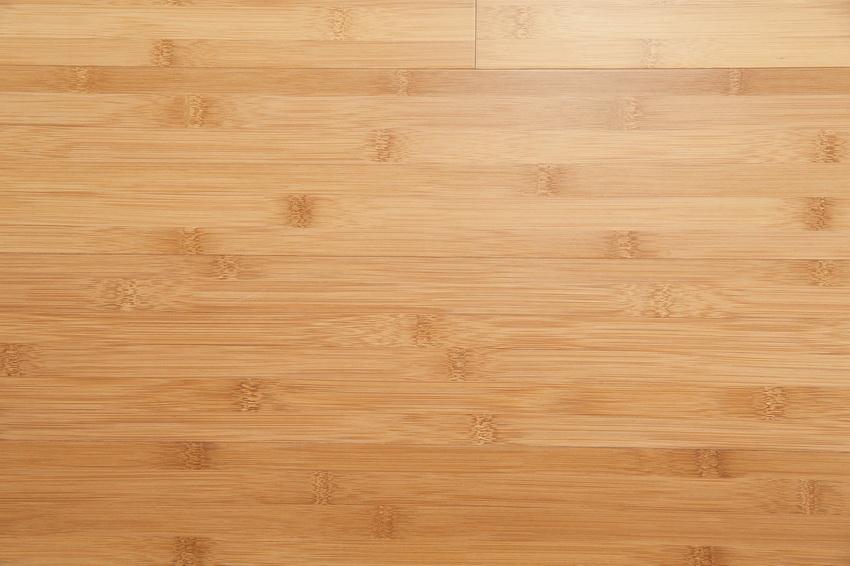
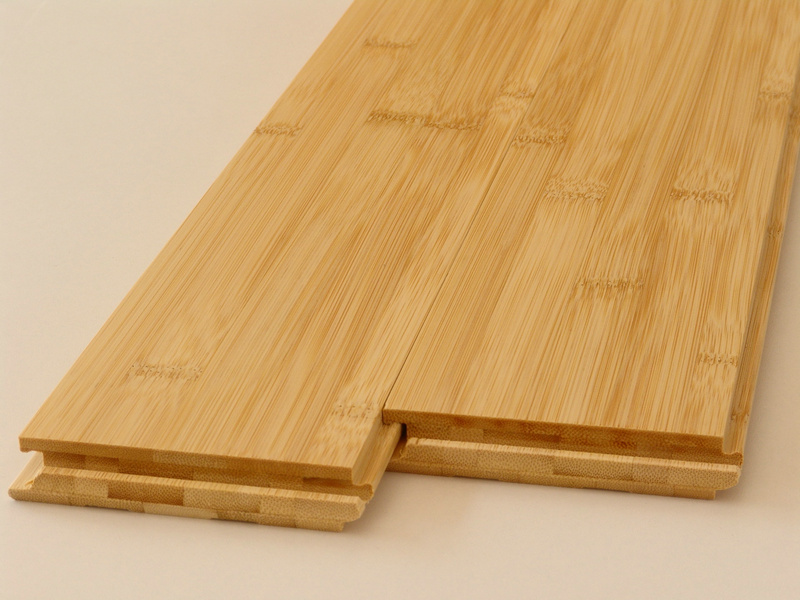
Bamboo Flooring Pros and Cons: A Complete Guide for Eco-Conscious Homeowners

Bamboo flooring has emerged as one of the most widely discussed architectural materials among ecologically minded property owners, builders, and interior designers. Derived from fast-growing Moso bamboo grass rather than centuries-old timber forests, bamboo flooring offers an appealing blend of rapid sustainability, sleek modern aesthetic charm, and surprising tensile strength. However, as with ..

카테고리 없음 2026.10.01